
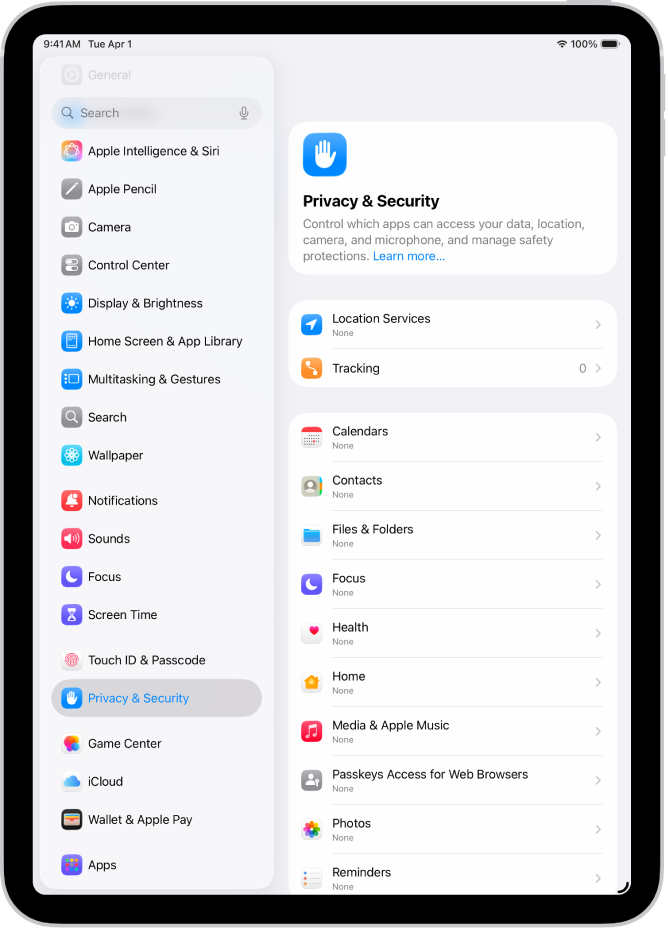

🎧 Listen to this article
Prefer to listen? An audio version of this article is available for accessibility and convenience.
iOS 26.5 beta 1 landed on March 30, 2026, and it brings a handful of changes that most people will scroll right past. The headline features include a redesigned Apple Maps experience with suggested places and ad placements, end-to-end encryption for RCS messages between iPhone and Android, and for the first time AirPods-style pairing for third-party earbuds and wearables. These aren’t flashy, but they reshape how your iPhone talks to the world around it.
Here’s the catch, though. The feature everybody actually wanted — the massive Siri overhaul with on-screen awareness and app-level intelligence — isn’t here. Apple pushed it to iOS 27 in September. So you’re getting a beta packed with infrastructure-level upgrades while the showstopper stays backstage. Whether that’s worth installing a beta depends entirely on how much you value what did ship.
 Ad
AdApple Maps Gets Ads, and That’s Not as Bad as It Sounds
I know. The word “ads” in a built-in Apple app triggers a specific kind of dread. But here’s what actually happened: Apple Maps in iOS 26.5 beta adds a new Suggested Places feature that recommends nearby locations based on what’s trending and what you’ve searched for recently. Think of it as Maps finally catching up to the way people actually explore a city — not just searching for a specific address, but browsing.
The ads layer sits on top of this. Businesses can purchase placements in Maps search results and within the Suggested Places section starting summer 2026. Every paid result carries a visible “Ad” label, which is the bare minimum for transparency but at least it’s there. Apple’s Maps & Privacy documentation confirms the ads framework runs entirely on-device without sharing your location data with advertisers. Take that at face value or don’t, but the architecture looks privacy-first on paper.
The real question is whether Suggested Places actually surfaces useful results. In beta 1, it’s inconsistent. Some searches pull up genuinely helpful spots nearby. Others feel generic. Apple has a few months to tune the algorithm before summer, and the quality of those recommendations will determine whether this feature feels helpful or just like another revenue extraction point.
Your Android Friends’ Texts Finally Stay Private
If you text anyone on Android — and statistically, you do — iOS 26.5 beta re-enables end-to-end encryption for RCS messages. This is the privacy upgrade ZOM covered last week, and it deserves attention because the toggle is on by default this time.
RCS encryption had a rocky rollout. Apple introduced it, pulled it back for stability reasons, and now it’s back in 26.5 beta with a toggle in Settings > Messages. The encryption covers text, images, and reactions sent between iPhone and Android devices using RCS. Group chats remain unencrypted for now. That’s the edge case nobody mentions in the headlines.
Why does this matter? Because every unencrypted RCS message travels through your carrier’s servers in plain text. Your carrier can read them. Anyone with access to those servers can read them. Encryption closes that window. It’s the kind of feature that sounds boring until you realize what “unencrypted” actually meant.
 Ad
AdThird-Party Accessories Get the Apple Treatment in the EU
This one is complicated, and it’s entirely because of the European Union’s Digital Markets Act. Apple added three interoperability features to iOS 26.5 beta that only activate for users in the EU.
Proximity pairing lets third-party earbuds use the same one-tap setup animation that AirPods get. Instead of digging through Bluetooth settings, you open a case near your iPhone and a pairing card pops up. Sony, Samsung, and Jabra all stand to benefit here.
Notification forwarding extends iPhone notifications to third-party smartwatches with full viewing and reaction support. Your Pixel Watch or Galaxy Watch can finally show and interact with iPhone notifications the way an Apple Watch always could.
Live Activities on third-party wearables mirrors the Dynamic Island’s real-time updates to non-Apple devices. Sports scores, delivery tracking, ride-share ETAs — all of it syncs to whatever’s on your wrist.
If you live outside the EU, none of this applies to you yet. Apple is complying with the letter of the law, not the spirit. Whether these features expand globally depends on regulatory pressure, competitive pressure, or both. For now, it’s a preview of what iPhone interoperability could look like if Apple ever decides to open up voluntarily.
The Small Stuff That Adds Up
A few features don’t fit neatly into a headline but matter if you use them.
Magic Accessories auto-connect. Plug a Magic Keyboard, Magic Mouse, or Magic Trackpad into your iPhone via USB-C and it pairs over Bluetooth automatically. No more navigating to Settings > Bluetooth > scanning > waiting. This sounds trivial until you’ve watched someone fumble through manual Bluetooth pairing at a coffee shop for three minutes.
Android migration got smarter. When transferring data from an Android phone, iOS 26.5 beta adds granular controls for message attachment periods: All, 1 year, or 30 days. If you’re switching and don’t want to import three years of memes your college roommate sent, you now have a filter. Tiny feature, massive time saver.
Inuktitut keyboard support. Apple added a native keyboard for the Inuktitut language, expanding iOS accessibility for Indigenous communities in Canada. This won’t affect most readers, but keyboard support drives device adoption in underserved language communities, and that matters.
What’s Conspicuously Missing
The elephant in the room: Siri. Apple promised a generative AI-powered Siri overhaul with on-screen context awareness, app-level actions, and conversational memory. None of that shipped in iOS 26.5 beta. These features have been pushed to iOS 27, expected in September 2026.
This matters because the Siri upgrade was the single most anticipated feature of the entire iOS 26 cycle. Apple announced it, demonstrated it, and then didn’t ship it. If you installed previous betas hoping each one would finally deliver the new Siri, iOS 26.5 confirms that the wait extends another five months at minimum.
Should you install this beta? Honestly, only if you understand what you’re signing up for. Beta 1 releases have bugs. Your battery life will take a hit — that’s not a maybe, it’s a guarantee for the first few days while Spotlight reindexes and background processes settle. If you just updated to iOS 26.4 and got everything sorted, think carefully before trading stability for a Maps feature and an encryption toggle.
For the rest of us on the stable release, iOS 26.5 should arrive as a public update by late May or early June 2026. The features will work better, the battery will behave, and you’ll get the same upgrades without the headaches.

Related Posts
iOS 26.5 Closes the Biggest Privacy Gap on Your iPhone
Mar 31, 2026
Your iPhone Battery Replacement Has a Catch Most Owners Miss
Mar 31, 2026
iPhone Storage Full and iCloud Cannot Fix It — Here Is What Actually Works
Mar 29, 2026