

🎧 Listen to this article
Prefer to listen? An audio version of this article is available for accessibility and convenience.
Apple built the iPhone Air to be the thinnest iPhone ever made at 5.6 millimeters, and they pulled it off. The titanium frame feels rigid, the 6.5-inch Super Retina XDR display runs at 120Hz with ProMotion, and the Apple A19 Pro chip inside is the same silicon that powers the iPhone 17 Pro. But that 5.6mm figure comes with concessions that Apple’s marketing glosses over, and some of them matter more than you might expect.
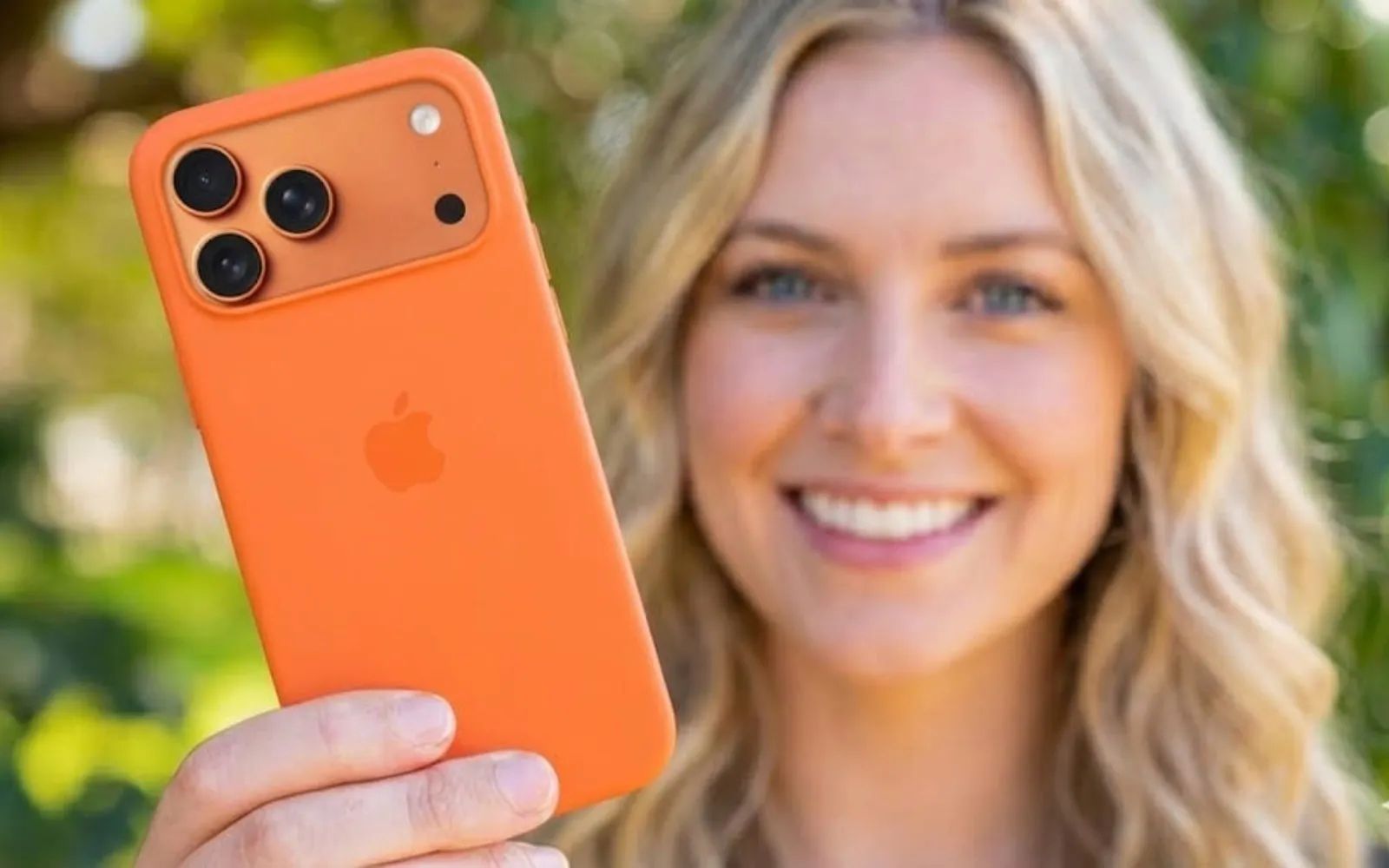
The single rear camera is the most obvious sacrifice. No ultrawide. No dedicated telephoto. No macro photography. The 48-megapixel Fusion lens handles the 1x and 2x focal lengths well, but if you have grown accustomed to switching between three lenses on a Pro model, the iPhone Air will feel limiting the moment you try to frame a landscape or get close to something small. I want to be clear about what that means in practice: the photos from this one lens are excellent. Sharp, vibrant, accurate in low light thanks to the larger sensor. But you are locked into one perspective, and digital zoom past 2x degrades noticeably.
 Ad
AdThe battery is the second trade-off worth understanding. Apple rates the iPhone Air at 27 hours of video playback, which sounds impressive until you realize the standard iPhone 17 hits 22 hours with a significantly larger physical battery and the iPhone 17 Pro pushes past 30. That 3,149mAh cell inside the iPhone Air is working harder than any other iPhone battery to maintain those numbers. Heavy use — navigation, streaming, camera work — will expose the gap. The iPhone Air is a phone that rewards lighter days and punishes demanding ones.
Then there is the port situation. The USB-C connector supports USB 2.0, which means transfer speeds top out at 480 megabits per second. The iPhone 17 Pro moved to USB 3 with speeds up to 10 gigabits per second. If you shoot a lot of 4K Dolby Vision video and need to offload files to a Mac, you will feel the bottleneck on the iPhone Air. For most people who sync wirelessly and back up to iCloud, this will never matter. But it is the kind of detail that separates casual use from professional use.
What the iPhone Air Gets Right
Here is where it gets interesting. The iPhone Air is not trying to be the best iPhone. It is trying to be the most pleasant iPhone to carry, and at that job, it genuinely succeeds.
Pick it up and the 165 grams registers immediately. For comparison, the iPhone 17 Pro weighs 227 grams. That 62-gram difference sounds marginal on paper. In your front pocket for a full day, it is the difference between noticing your phone and forgetting it is there. The titanium frame has a polished mirror finish that catches light differently than the brushed texture on the Pro, and the whole device feels like something you would display on a shelf. There is something almost jewelry-like about it.
The 6.5-inch display sits in a sweet spot between the standard iPhone 17’s 6.3 inches and the Pro Max’s 6.9 inches. It runs at the same 120Hz ProMotion refresh rate as the Pro models, which is a genuine upgrade over the standard iPhone 17’s 60Hz panel. Scrolling through long articles or swiping between apps feels liquid smooth, and the Always-On display works well without punishing the smaller battery too severely. If you are weighing up how the iPhone 17, 17 Pro, and 17 Pro Max compare side by side, the display is one area where the iPhone Air quietly matches the Pro.
 Ad
AdApple’s C1X Modem and Connectivity
Apple’s C1X modem is worth understanding because it shipped first in the iPhone Air. This is Apple’s second-generation cellular modem, replacing the Intel and Qualcomm chips that previous iPhones used. It handles sub-6GHz 5G only — no millimeter wave support — but it is more power efficient than its predecessor. Wi-Fi 7 and Bluetooth 6 connectivity come standard through the separate N1 chip. Real-world cellular performance has been solid in testing across major carriers, though some early adopters reported occasional connectivity drops in the first months after launch that subsequent iOS 26 updates addressed.
The Camera Deserves a Second Look
The camera deserves a deeper look. That single 48-megapixel Fusion lens uses a sensor-shift optical image stabilization system, which means the sensor itself moves to counteract hand shake rather than relying on lens-based stabilization. At 26mm and f/1.6, it gathers plenty of light for indoor shots and evening photography. The 2x telephoto mode crops into the center of the sensor at 52mm and 12 megapixels — not a separate lens, but the quality is close enough that most people will not notice the difference in normal use. You can verify every one of these specs on Apple’s own spec sheet for the iPhone Air.
The 18-megapixel front camera is genuinely new. Apple calls it Center Stage, and it uses a square sensor that can crop and reframe without needing to physically move. You can hold the phone in portrait orientation during a FaceTime call and the camera will keep your face centered in the frame even as you shift around. Dual Capture lets you record from both cameras simultaneously, which is a feature content creators will appreciate even if casual users never touch it.
There is one friction point with the camera system that I think deserves attention. Spatial video and spatial photos are not supported on the iPhone Air. If you own an Apple Vision Pro or plan to eventually, the inability to capture spatial content might matter. The iPhone 17 and all Pro models support spatial capture. The iPhone Air does not. Considering the right case matters more than you think with the iPhone 17 lineup, the titanium frame on the iPhone Air at least gives you more built-in durability than the standard aluminum models.
Who Should Actually Buy the iPhone Air
If you are cross-shopping the iPhone Air against other models in the iPhone 17 lineup, the decision comes down to your priorities. If you want the lightest possible phone with a large smooth display and you primarily use one camera lens, the iPhone Air delivers something no other iPhone can. If you shoot photos and video across multiple focal lengths, need maximum battery life, or transfer large files over USB, the iPhone 17 Pro at $1,099 is a hundred dollars more but fills every gap. And the standard iPhone 17 at $799 gives you dual cameras, a bigger battery, and aluminum construction for two hundred dollars less — you just lose ProMotion and the titanium.
The iPhone Air is not the phone for everyone, and I think Apple knows that. It exists for the same reason the MacBook Air exists: to be the version of this product that feels like it disappears in your hand. The trade-offs are real, but they are the right trade-offs for a specific kind of buyer. If you reach for your phone to text, browse, take the occasional photo, and handle calls, the iPhone Air is the most comfortable iPhone Apple has ever built. If your phone is your primary camera and your main creative tool, look at the Pro.

Related Posts
iOS 26.4.1 Fixes the iCloud Bug That Broke Your Apps
Apr 09, 2026
iOS 26.4 Drains Your iPhone Battery. Here’s What Fixes It
Apr 09, 2026
Your iPhone Finally Lets You Create Custom Ringtones in iOS 26
Apr 08, 2026