

🎧 Listen to this article
Prefer to listen? An audio version of this article is available for accessibility and convenience.
Apple’s iPhone 17e packs the same A19 chip that powers the flagship iPhone 17, starts at $599 with 256GB of storage, and finally adds MagSafe to the budget tier. For anyone upgrading from an iPhone SE, iPhone 14, or even an iPhone 15, the value proposition is genuinely strong. But the spec sheet tells a strategic story if you read between the lines, and the compromises Apple made to hit that price point will matter more to some buyers than others.
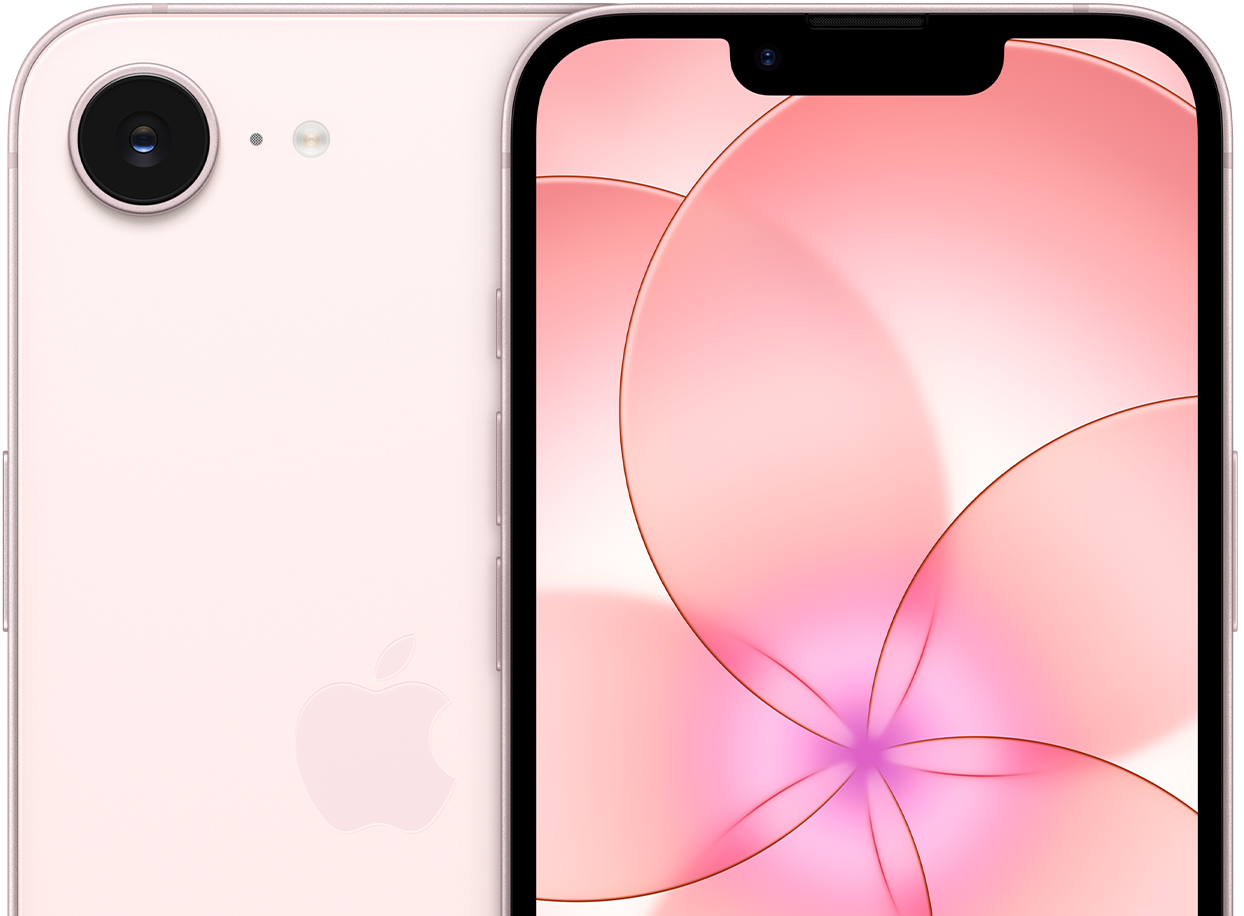
I want to be direct about that second part, because the headlines mostly celebrated the A19 chip and MagSafe addition without spending much time on what the iPhone 17e quietly leaves out. A 60Hz display in 2026. A single rear camera. No Camera Control button. No Dynamic Island. These are not dealbreakers for everyone, but they are deliberate choices that separate the iPhone 17e from the standard iPhone 17 in ways that go beyond the $200 price gap.
If you are weighing the iPhone 17e against the rest of the lineup, the full iPhone 17 comparison breaks down how the standard, Pro, and Pro Max models stack up. The 17e sits in a different lane entirely.
 Ad
AdThe A19 Chip That Closes the Gap
The A19 chip inside the iPhone 17e is not a downgraded version of the silicon in the flagship. It runs the same 6-core CPU and 16-core Neural Engine. The only difference is the GPU: four cores instead of five. For most tasks — scrolling, messaging, browsing, even running Apple Intelligence features — you will never notice that missing GPU core. It matters for sustained gaming performance and heavy video rendering, which are not exactly the use cases that budget iPhone buyers typically prioritize.
What matters more is what the A19 enables downstream. Apple Intelligence requires the Neural Engine horsepower that older chips simply lack, and the iPhone 17e delivers it without reservation. Writing Tools, Genmoji, notification summaries, the visual intelligence features in the Camera app — all of it runs natively. If you skipped the iPhone 16e because it felt like Apple was holding back on the AI features, that concern evaporates here.
Why the C1X Modem Actually Matters
The C1X modem deserves attention too. This is Apple’s second-generation cellular modem, built in-house to replace the Qualcomm chips that powered every iPhone before the 16e. Apple’s spec sheet confirms it delivers up to twice the 5G throughput of the first-generation C1, and early tests from multiple outlets suggest the improvement is real, particularly on sub-6 GHz networks. Satellite connectivity is included: Emergency SOS, Roadside Assistance, Messages via satellite, and Find My all work without a cell signal. If you travel to rural areas or hike regularly, this is a genuine safety upgrade over any iPhone released before 2024.
MagSafe on the Budget iPhone Changes the Accessory Game
MagSafe arriving on the budget iPhone is a bigger deal than it sounds. The iPhone 16e supported basic Qi wireless charging at 7.5W. The iPhone 17e jumps to 15W MagSafe and Qi2 charging. That means the entire MagSafe accessory ecosystem — car mounts, wallet attachments, battery packs, charging stands — now works properly with the least expensive iPhone in the lineup. If you already own MagSafe accessories from a previous iPhone, the 17e will snap onto them with the same satisfying click and alignment that the Pro models deliver.
 Ad
AdThe 60Hz Display Is the Most Divisive Compromise
Here is where my honest assessment gets uncomfortable for Apple’s marketing team. The 6.1-inch Super Retina XDR display looks sharp at 2532 by 1170 pixels, and Ceramic Shield 2 gives it three times better scratch resistance than its predecessor. But the refresh rate is 60Hz. Every other phone at this price point from Samsung, Google, and OnePlus offers at least 90Hz, and most ship 120Hz displays.
The difference between 60Hz and 120Hz is one of those things you do not notice until you have used a faster display for a week. Then going back feels like dragging your finger through honey.
For anyone upgrading from an older iPhone that was also 60Hz, this will feel normal. For anyone coming from a 120Hz Android phone or a borrowed Pro model, the scrolling will feel sluggish from the first swipe.
One Camera Does More Than You’d Think — but Not Everything
The camera system tells a similar story of strategic restraint. The iPhone 17e carries a single 48MP Fusion camera with optical image stabilization and an optical-quality 2x telephoto achieved through sensor cropping. It shoots 4K Dolby Vision video and handles Night mode, Deep Fusion, and Smart HDR 5. These are capable specs. The standard iPhone 17, though, adds an Ultra Wide lens, an 18MP front-facing camera with Center Stage (compared to the 17e’s 12MP TrueDepth shooter), and the Camera Control button that gives you physical, tactile access to zoom, exposure, and focus without touching the screen. That button alone changes how photography feels on the Pro-tier devices. Its absence on the 17e is noticeable.
Here is how the iPhone 17e and the standard iPhone 17 compare across the specs that matter most for everyday use.
| Feature | iPhone 17e ($599) | iPhone 17 ($799) |
|---|---|---|
| Display Refresh Rate | 60Hz | 120Hz ProMotion |
| Rear Cameras | 48MP Fusion (single) | 48MP Fusion + Ultra Wide |
| Front Camera | 12MP TrueDepth | 18MP Center Stage |
| Notch / Dynamic Island | Notch | Dynamic Island |
The Notch Stays — and That Says Something
One decision that genuinely surprised me: the iPhone 17e still uses a notch instead of the Dynamic Island. The Dynamic Island debuted on iPhone 14 Pro in 2022 and has been standard on the flagship lineup for nearly four years. Keeping the notch on the budget model in 2026 feels like Apple drawing a visible line in the sand between the tiers. The notch works fine — it houses Face ID and the front camera — but it wastes screen real estate that the Dynamic Island reclaims and repurposes for live activities, timers, and navigation directions.
Storage and Build Quality That Punch Above the Price
Storage is genuinely generous. The base model ships with 256GB, double what the iPhone 16e offered at the same $599 price. A 512GB option costs $799, down from $899 last generation. For a phone positioned as the entry-level iPhone, 256GB is more than enough for most people. Apple also dropped the 128GB tier entirely, which means every iPhone 17e buyer starts with breathing room instead of running into storage warnings within the first year. If you have been wrestling with confusing iPhone storage categories, 256GB gives you room to stop worrying about it.
The build itself is aerospace-grade aluminum with an IP68 rating, meaning it can handle submersion in up to six meters of water for thirty minutes. At 169 grams, it is lighter than the standard iPhone 17. The dimensions are essentially identical to the iPhone 16e, which means existing iPhone 16e cases will fit. That is a small but genuinely useful detail if you are switching between generations and do not want to buy a new case on day one.
Who Should Buy the iPhone 17e — and Who Should Not
Three groups stand out. First: anyone on an iPhone 13 or older who wants Apple Intelligence without paying $799 for the standard model. The A19 chip and Neural Engine unlock every current AI feature, and the $599 price makes that accessible. Second: parents buying a first iPhone for a teenager. The 256GB storage, durable build, and satellite safety features are the right priorities, and the missing ultrawide camera and 120Hz display will not matter to most younger users. Third: anyone deeply embedded in the MagSafe ecosystem who has been waiting for the budget iPhone to catch up.
It has.
Who should skip it? If you take photos seriously enough that an ultrawide lens and Camera Control matter to your workflow, the standard iPhone 17 is worth the extra $200. If you have used a 120Hz display for more than a month, the 60Hz panel on the 17e will frustrate you daily. And if you want the Dynamic Island for live activities — sports scores, ride-sharing progress, timers — the 17e’s notch will feel like a step backward. Understanding your iPhone’s battery health can also help you decide whether your current phone has enough life left to skip this generation entirely.
The iPhone 17e is available for pre-order now and ships on March 11, 2026. It comes in black, white, and soft pink. Carrier deals from AT&T, Verizon, and T-Mobile can bring the effective cost close to zero with trade-in and plan commitments, though those deals bury the actual cost in 36-month installment agreements.
Apple’s pricing strategy with the iPhone 17e is honestly clever. By giving it the A19 chip and MagSafe, Apple eliminated the two biggest reasons budget buyers felt shortchanged. The 60Hz display and single camera are the tax you pay for that $200 savings. Whether that tax is worth paying depends entirely on how you use your phone, and I think most people considering the 17e will find that it is.

Related Posts
Your iCloud Runs Out of Space Because Apple Buries the Fix Three Menus Deep
Mar 04, 2026
Your iPhone Has a Privacy Display Mode You Have Never Turned On
Mar 03, 2026
Your iPhone Can Photograph Tonight’s Blood Moon Eclipse (Here’s How)
Mar 03, 2026