
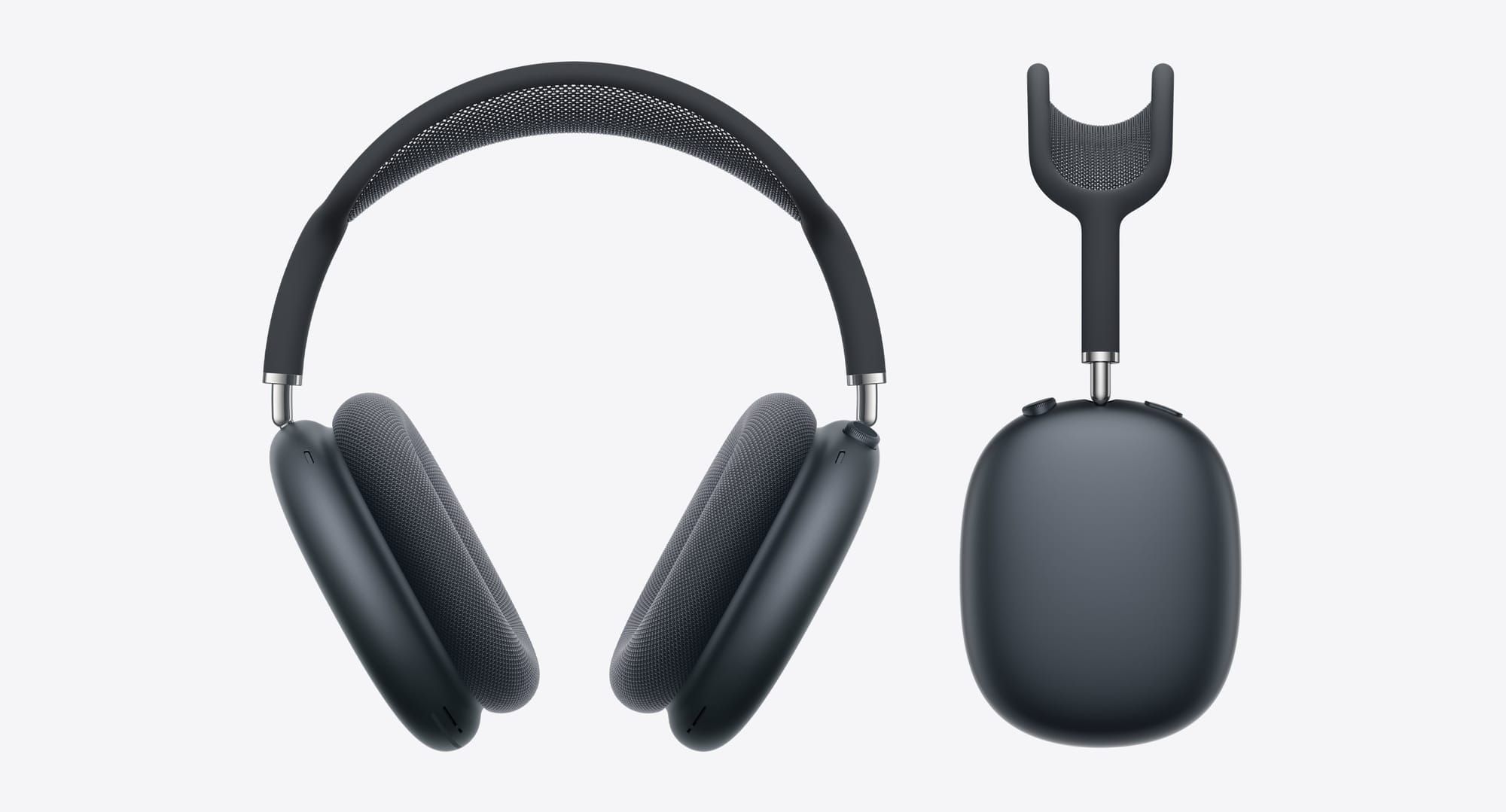

Beats Studio Pro and AirPods Max both sit on Apple’s shelf, both play nice with Spatial Audio, and both cost enough to make you pause at checkout. The Beats run $349.99 and the AirPods Max run $549. But here is the part that trips people up: these are not competing products in the way most comparison articles frame them. They are designed for completely different listeners, and picking the wrong one means overpaying for features you will never touch or missing features you will reach for every single day.
I want to walk through the honest differences — weight, sound, noise cancellation, microphone quality, ecosystem flexibility, and the stuff that only matters after you have worn both for a full workday — so you can figure out which pair actually belongs on your head.
The Price Gap Is Bigger Than It Looks
At retail, AirPods Max costs $549. Beats Studio Pro costs $349.99. That is a $200 gap on paper. In practice, Beats Studio Pro routinely drops to $169–$199 at Amazon and Best Buy. AirPods Max barely budges below $479. So the real-world gap can stretch past $350 depending on the week you buy.
That difference buys a lot of headphone. Whether it buys the right headphone depends entirely on what you need.
Sound Signature: Pick Your Personality
AirPods Max delivers a balanced, slightly warm sound with controlled bass and a mid-centric response that treats acoustic guitar, vocals, and orchestral recordings with genuine respect. Apple’s custom 40mm driver paired with the H1 chip running Adaptive EQ adjusts the sound profile to your ear seal in real time. The result is a sound that feels even and honest. Classical, jazz, rock, and singer-songwriter tracks all benefit from that restraint.
Beats Studio Pro leans in the opposite direction. The custom 40mm driver with a two-layer diaphragm pushes pronounced sub-bass and elevated highs. Pop, hip-hop, EDM, and electronic tracks come alive with that tuning. If you listen to a lot of bass-heavy genres, the Beats sound profile will feel more exciting right out of the box. When connected over USB-C, Beats Studio Pro also offers three switchable sound profiles — Beats Signature, Entertainment, and Conversation — which is a level of tuning flexibility AirPods Max does not match.
Neither tuning is objectively better. One rewards accuracy, the other rewards energy. Your music library decides which one fits.
Noise Cancellation: One Clear Winner
AirPods Max has the better Active Noise Cancellation. It is not particularly close. The sealed aluminum ear cups and eight dedicated ANC microphones create a 5–8 dB advantage in noise attenuation across frequencies compared to Beats Studio Pro. On a plane or in a loud open office, AirPods Max blocks meaningfully more ambient noise.
Beats Studio Pro handles everyday environments — a coffee shop, a shared workspace, a bus commute — just fine. Its adaptive ANC adjusts to your surroundings without manual intervention. But if you fly regularly or work in genuinely loud environments, the AirPods Max isolation is worth the premium on its own.
Call Quality: The Surprise Winner
This one catches people off guard. Beats Studio Pro is the better headphone for phone calls and video meetings. Its two dedicated outward-facing beamforming microphones are specifically engineered for voice clarity, delivering what Beats claims is a 27 percent improvement over the previous generation.
AirPods Max has nine microphones total, but eight of those are allocated primarily to ANC. Only three handle voice pickup, and those three share duties with spatial audio processing. Call quality on AirPods Max is fine — nobody will complain — but on a noisy Zoom call, the Beats voice isolation is noticeably cleaner.
If you spend hours on calls every day, this difference matters more than sound signature.
At-A-Glance: Where Each Headphone Leads
The following table compares the four attributes that differ most between these headphones. Use it as a quick reference after you have read the context behind each category.
Weight and Comfort Over a Full Day
AirPods Max weighs 386 grams. Beats Studio Pro weighs 260 grams. That is a 126-gram difference, and it matters more than any spec sheet suggests.
During the first hour, both headphones feel comfortable. AirPods Max has deeper ear cups, a breathable knit-mesh canopy headband, and memory foam cushions that distribute weight across your head and ears evenly. The premium materials justify the weight for a while.
By hour three, the aluminum and stainless steel frame starts making itself known. Your neck adjusts. You shift the headband. You take them off to give your ears a break. Beats Studio Pro, at 260 grams, avoids this entirely. The plastic housing with metal headband sliders and engineered leather cushions stay comfortable longer simply because there is less mass pressing down on you.
Beats Studio Pro also folds flat, which matters if you throw headphones into a bag regularly. AirPods Max does not fold at all — it ships with a Smart Case that only covers the ear cups and triggers a low-power sleep state, but the headband sticks out and the whole package takes up serious bag real estate.
Apple Ecosystem vs. Cross-Platform Flexibility
Here is where the decision gets genuinely interesting. AirPods Max is the deeper Apple integration play. Automatic switching between your Mac, iPhone, iPad, and Apple TV happens seamlessly. Audio Sharing lets two AirPods Max users listen to the same source. The Digital Crown provides precise volume and playback control that feels like nothing else on any headphone. If you live entirely within Apple’s ecosystem, the integration is exceptional.
But AirPods Max on Android is a basic Bluetooth headphone. No app. No special features. No automatic switching. Just audio.
Beats Studio Pro works fully on both sides. On Apple devices, you get one-touch pairing, Find My support, and Siri access. On Android, you get Google Fast Pair, Audio Switch between Android devices, Find My Device tracking, and the full Beats app for EQ and feature control. If you carry an iPhone and also use a Windows laptop, a gaming PC, or an Android tablet, Beats Studio Pro treats every device as a first-class citizen.
That cross-platform story is the single biggest differentiator for anyone who does not live exclusively in Apple’s walled garden. For a detailed breakdown of what Spatial Audio integration actually looks like within the Apple ecosystem, our deep dive on Dolby Atmos versus Apple Spatial Audio covers the nuances that headphone owners frequently misunderstand.
Wired Audio and Lossless Support
Both headphones now support 24-bit/48kHz lossless audio over USB-C. Apple added wired lossless playback and ultra-low latency audio to AirPods Max through a firmware update in early 2025, which also makes AirPods Max viable for music production and gaming where latency matters.
The key difference: Beats Studio Pro includes a 3.5mm analog audio cable in the box. AirPods Max has no 3.5mm jack at all — Apple sells a separate USB-C to 3.5mm cable if you need one for airplane entertainment systems or older audio sources. That missing 3.5mm jack on AirPods Max is a genuine friction point for travelers. Seat-back entertainment screens on most airlines still use the standard headphone jack, and needing a separate adapter that Apple does not even include is the kind of oversight that quietly annoys you at 35,000 feet.
Spatial Audio on Both, but With Different Reach
Both headphones support Personalized Spatial Audio with dynamic head tracking and Dolby Atmos. Apple’s implementation is best-in-class for immersive audio, and it works identically on both headphones — when you are using an Apple device.
The difference emerges on non-Apple platforms. Beats Studio Pro delivers Spatial Audio across both Apple and Android ecosystems. AirPods Max restricts Spatial Audio to Apple devices only. If Spatial Audio matters to you and you ever listen on a non-Apple source, Beats is the only option of the two that covers you.
Build Quality Tells Two Different Stories
AirPods Max is a premium object. Anodized aluminum ear cups, a stainless steel headband frame, memory foam cushions, and that knit-mesh canopy feel substantial and intentional. Picking up a pair for the first time, you immediately understand where part of that $549 went. The Digital Crown, borrowed from Apple Watch, provides satisfying haptic clicks as you turn it for volume control.
Beats Studio Pro is plastic with metal headband sliders. It is well-built — the hinge mechanism clicks into position confidently and the engineered leather cushions feel soft against your ears — but it does not project the same material luxury. What it sacrifices in material prestige, it gains in practicality: lighter weight, foldable design, and a carrying case that actually protects the entire headphone.
The AirPods Max Smart Case remains one of Apple’s strangest accessories. It covers the ear cups but leaves the headband exposed. It does not protect against scratches on the most visible part of the headphone. It is a sleep trigger disguised as a case, and it has been a valid criticism since launch day.
Who Should Buy Which
Buy AirPods Max if you live entirely in the Apple ecosystem, prioritize noise cancellation above all else, listen to a lot of acoustic and vocal-heavy music, and value build materials that feel premium. The Digital Crown alone is a surprisingly compelling feature once you get used to it, and the ANC performance is genuinely best-in-class. Our comparison of AirPods Max against the Sony WH-1000XM5 covers the ANC story in more detail for anyone weighing outside options.
Buy Beats Studio Pro if you use both Apple and Android devices, prioritize battery life and call quality, listen to bass-heavy genres, travel frequently and need a foldable design with a 3.5mm cable, or if the $200-plus price difference matters to your budget. At street prices under $200, Beats Studio Pro is one of the best values in premium headphones right now.
Neither headphone is the wrong choice in absolute terms. But one of them is almost certainly the better choice for your specific combination of devices, listening habits, and daily routine.
The real mistake is buying AirPods Max for the brand and then wishing it folded, had better battery life, and worked with your work laptop. Or buying Beats Studio Pro on sale and then missing that ANC performance every time you board a flight. Match the headphone to the life, not the other way around.

Blaine Locklair
Founder of Zone of Mac with 25 years of web development experience. Every guide on the site is verified against Apple's current documentation, tested with real hardware, and written to be fully accessible to all readers.
follow me :
Related Posts
Your AirPods Work with Android — Here’s What Apple Holds Back
Apr 10, 2026
Your AirPods Are Collecting Grime That’s Killing Your Sound
Apr 09, 2026
Your AirPods Have a FaceTime Trick That Changes Group Calls
Apr 02, 2026